
Finance teams face increasing pressure to process invoices faster, control costs, maintain compliance, and provide real-time visibility into cash flow, all while managing growing transaction volumes with limited resources. Manual accounts payable (AP) processes make it difficult to meet these expectations, often leading to approval delays, payment errors, and unnecessary administrative effort.
This is where AP automation delivers measurable value. By streamlining invoice processing and approval workflows, it helps finance teams operate more efficiently, improve financial control, and support better business decisions.
If you’re already familiar with how AP automation works, the next question is: What tangible business benefits can you expect from investing in it?
This guide explores the key benefits of AP automation and how they help organizations improve operational efficiency, strengthen financial governance, and create long-term value.

Why Businesses Are Prioritizing AP Automation
For many organizations, the decision to automate accounts payable isn’t driven by technology alone. It’s driven by business needs.
As invoice volumes increase and finance teams are expected to deliver more strategic insights, manual processes become increasingly difficult to scale. Delayed approvals, limited visibility into outstanding liabilities, and time-consuming administrative work can affect cash flow, supplier relationships, and financial reporting.
AP automation helps organizations modernize these processes, enabling finance teams to focus less on repetitive tasks and more on activities that contribute to business growth.
10 Benefits of AP Automation
1. Faster Invoice Processing
One of the most immediate benefits of AP automation is significantly faster invoice processing.
Instead of manually entering invoice data, routing documents through email chains, and following up on approvals, invoices are automatically captured, validated, and directed to the appropriate approvers.
Faster processing means:
- Reduced approval bottlenecks
- Shorter payment cycles
- Quicker month-end close
- Improved operational efficiency
For organizations processing hundreds or thousands of invoices each month, even small time savings per invoice translate into substantial productivity gains.
2. Lower Processing Costs
Manual invoice processing involves hidden costs, from data entry and document handling to error correction and approval follow-ups.
Automation reduces these costs by minimizing manual intervention across the invoice lifecycle.
Organizations can lower expenses related to:
- Administrative effort
- Paper-based processes
- Invoice storage
- Rework caused by errors
- Payment delays
As transaction volumes grow, automated processes allow businesses to scale without proportionally increasing headcount, improving long-term cost efficiency.
3. Improved Accuracy and Fewer Errors
Manual data entry increases the likelihood of mistakes such as duplicate invoices, incorrect amounts, or coding errors.
AP automation improves data accuracy by automating invoice capture, validation, and matching before invoices move through the approval process.
Greater accuracy helps organizations:
- Reduce duplicate payments
- Minimize invoice disputes
- Improve financial reporting
- Maintain cleaner accounting records
More reliable financial data also supports better decision-making across the business.
4. Better Cash Flow Management
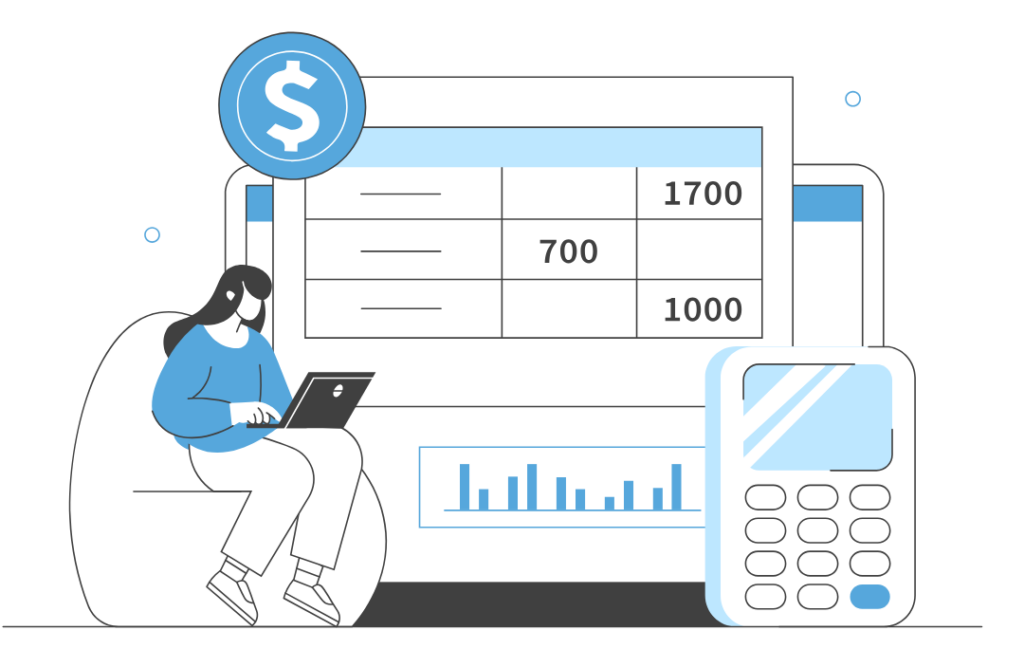
Effective cash flow management depends on having clear visibility into outstanding invoices and payment obligations.
AP automation gives finance teams access to real-time information on invoice status, upcoming payments, and approval progress.
This enables organizations to:
- Forecast cash requirements more accurately
- Avoid late payment penalties
- Capture early payment discounts where appropriate
- Optimize payment timing
With better visibility, finance leaders can make more informed working capital decisions instead of reacting to unexpected payment obligations.
5. Stronger Supplier Relationships
Suppliers value predictable, timely payments and clear communication.
Manual approval delays often result in late payments, payment inquiries, and unnecessary friction between businesses and vendors.
Automated workflows help ensure invoices move through the approval process efficiently, allowing payments to be made on time.
Benefits include:
- Improved supplier trust
- Fewer payment disputes
- Faster issue resolution
- Better opportunities to negotiate favorable payment terms
Strong supplier relationships contribute to a more resilient supply chain and smoother business operations.
6. Higher Productivity for Finance Teams
Finance professionals bring the most value when they’re analyzing data, improving processes, and supporting business strategy, not spending hours entering invoice details or chasing approvals.
By automating repetitive tasks, AP automation frees finance teams to focus on higher-value activities such as:
- Financial analysis
- Budget planning
- Vendor management
- Risk assessment
- Process improvement
This shift not only improves operational efficiency but also enhances employee satisfaction by reducing repetitive administrative work.
7. Better Compliance and Audit Readiness
Maintaining compliance requires consistent processes, complete documentation, and clear approval records.
Manual systems often rely on emails, spreadsheets, and paper documents, making audits more time-consuming and increasing the risk of missing information.
AP automation creates standardized workflows and maintains a complete digital record of invoice activity, approvals, and payment history.
This helps organizations:
- Demonstrate compliance more easily
- Reduce audit preparation time
- Strengthen internal controls
- Improve financial governance
A centralized audit trail also simplifies investigations when discrepancies arise.
8. Reduced Risk of Fraud
Fraud prevention is becoming an increasingly important priority for finance teams.
Manual AP processes can make it difficult to identify duplicate invoices, unauthorized payments, or unusual approval activity.
Automation introduces stronger controls by enabling:
- Approval workflows based on business rules
- Duplicate invoice detection
- Automated validation checks
- Role-based access controls
- Complete audit trails
These safeguards reduce the likelihood of payment fraud while improving confidence in financial processes.
9. Greater Financial Visibility
Modern finance teams need access to timely, accurate information, not just at month-end, but throughout the payment cycle.
AP automation provides real-time visibility into:
- Invoice status
- Outstanding liabilities
- Approval bottlenecks
- Payment schedules
- Spend trends
With better reporting and analytics, finance leaders can identify inefficiencies, monitor key performance indicators, and make proactive decisions based on current data rather than historical reports.
10. Scalability Without Increasing Administrative Burden
Business growth often leads to higher invoice volumes, more suppliers, and increasingly complex approval processes.
Without automation, scaling accounts payable usually means hiring additional staff to manage the workload.
AP automation allows organizations to handle increased transaction volumes while maintaining consistent processes and financial controls.
Whether expanding into new markets, adding business units, or managing seasonal demand, automated workflows help finance operations scale more efficiently.
Read More: AP Automation for Logistics & Supply Chain Companies
How AP Automation Delivers Long-Term ROI
The value of AP automation extends beyond operational efficiency. It creates measurable business outcomes that improve financial performance over time.
| Business Need | How AP Automation Helps |
|---|---|
| Reduce processing costs | Automates repetitive manual tasks |
| Improve productivity | Eliminates time spent on data entry and follow-ups |
| Strengthen cash flow | Provides visibility into payment schedules |
| Enhance compliance | Creates standardized workflows and audit trails |
| Reduce financial risk | Detects duplicate invoices and enforces approval controls |
| Support growth | Scales invoice processing without proportional headcount increases |
Rather than viewing AP automation solely as a technology investment, organizations should consider its impact on productivity, governance, supplier relationships, and long-term operational resilience.
Find the AP automation ROI for your business with Serina ROI calculator
Is Your Business Ready to Benefit from AP Automation?
If your finance team experiences any of the following challenges, it may be time to evaluate AP automation:
- Invoice approvals frequently take longer than expected.
- Manual data entry consumes a significant portion of the team’s time.
- Payment deadlines are occasionally missed.
- Duplicate payments or invoice errors require rework.
- Finance leaders lack real-time visibility into outstanding liabilities.
- Month-end close is delayed due to manual AP processes.
- Growing invoice volumes are increasing administrative workload.
The more of these challenges your organization faces, the greater the potential business impact of automation.
Frequently Asked Questions
What is the biggest benefit of AP automation?
While every organization has different priorities, the biggest benefit is improved operational efficiency. AP automation reduces manual work, accelerates invoice processing, improves accuracy, and gives finance teams better visibility into payment activities.
Does AP automation help reduce costs?
Yes. By automating repetitive tasks and minimizing manual intervention, AP automation helps reduce administrative costs, lower error-related expenses, and improve overall productivity.
How does AP automation improve cash flow?
Real-time visibility into invoices and payment schedules enables finance teams to better manage working capital, avoid late payment penalties, and take advantage of early payment discounts where appropriate.
Can small and mid-sized businesses benefit from AP automation?
Absolutely. Businesses of all sizes can benefit from improved efficiency, stronger financial controls, and scalable processes. Automation is particularly valuable for growing organizations that need to manage increasing invoice volumes without expanding administrative overhead.
Transform Accounts Payable Into a Strategic Advantage
AP automation is no longer just about replacing manual tasks. It enables finance teams to operate more efficiently, make better decisions, and support business growth with greater confidence.
From reducing processing costs and strengthening compliance to improving cash flow visibility and supplier relationships, the benefits extend well beyond the accounts payable function. As organizations continue to modernize their finance operations, AP automation provides the foundation for a more agile, resilient, and data-driven finance function.